
 By Ashley Richardson, Founder and Certified Sugaring Educator
At Green City Beauty, we use Manuka honey as part of our post-sugaring care because it’s important to care for the skin after a hair removal service. Its potential soothing properties and the research around it fit naturally into our skin-first approach. It is an ingredient worth understanding, without expecting it to do everything.
My own experience with reactive skin made me curious about ingredients long before they became social-media talking points. Manuka honey is a good example of a natural ingredient with interesting research behind it, as well as important differences between the ways it is used.
What makes Manuka honey interesting for skin
Manuka is a type of honey associated with the nectar of the Manuka plant. Researchers have investigated it for antibacterial activity and effects on inflammatory processes, among other properties. That helps explain its appeal in discussions about skin care.
In one laboratory study, several Manuka honeys inhibited Staphylococcus aureus, with effects varying by honey and concentration. This is evidence of antibacterial activity under the conditions tested. It does not mean that every honey product has the same effect when applied to a person’s skin.
Potential calming benefits and early human findings
There have also been encouraging findings when studied on the skin. A small study involving 14 adults with atopic dermatitis reported improvement in the honey-treated skin compared with untreated comparison areas. The researchers also examined inflammatory mechanisms in cells and called for randomized, controlled trials to confirm their findings.
That is a reason for interest in Manuka honey’s calming and anti-inflammatory properties. While not a study of freshly sugared skin, however, it’s a data point that helps guide the decisions we make when selecting a product to use in our pre and post care steps for our sugaring services.
How this connects to your sugaring appointment
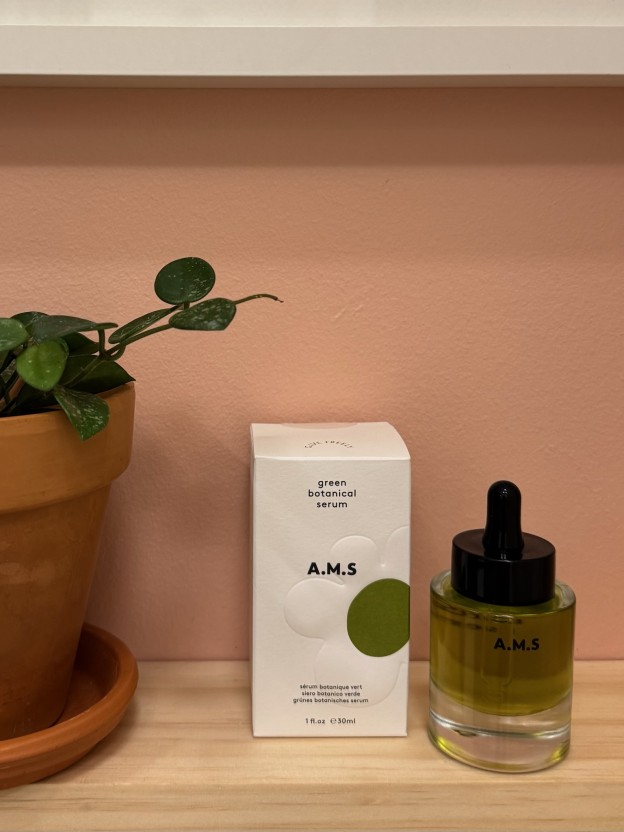
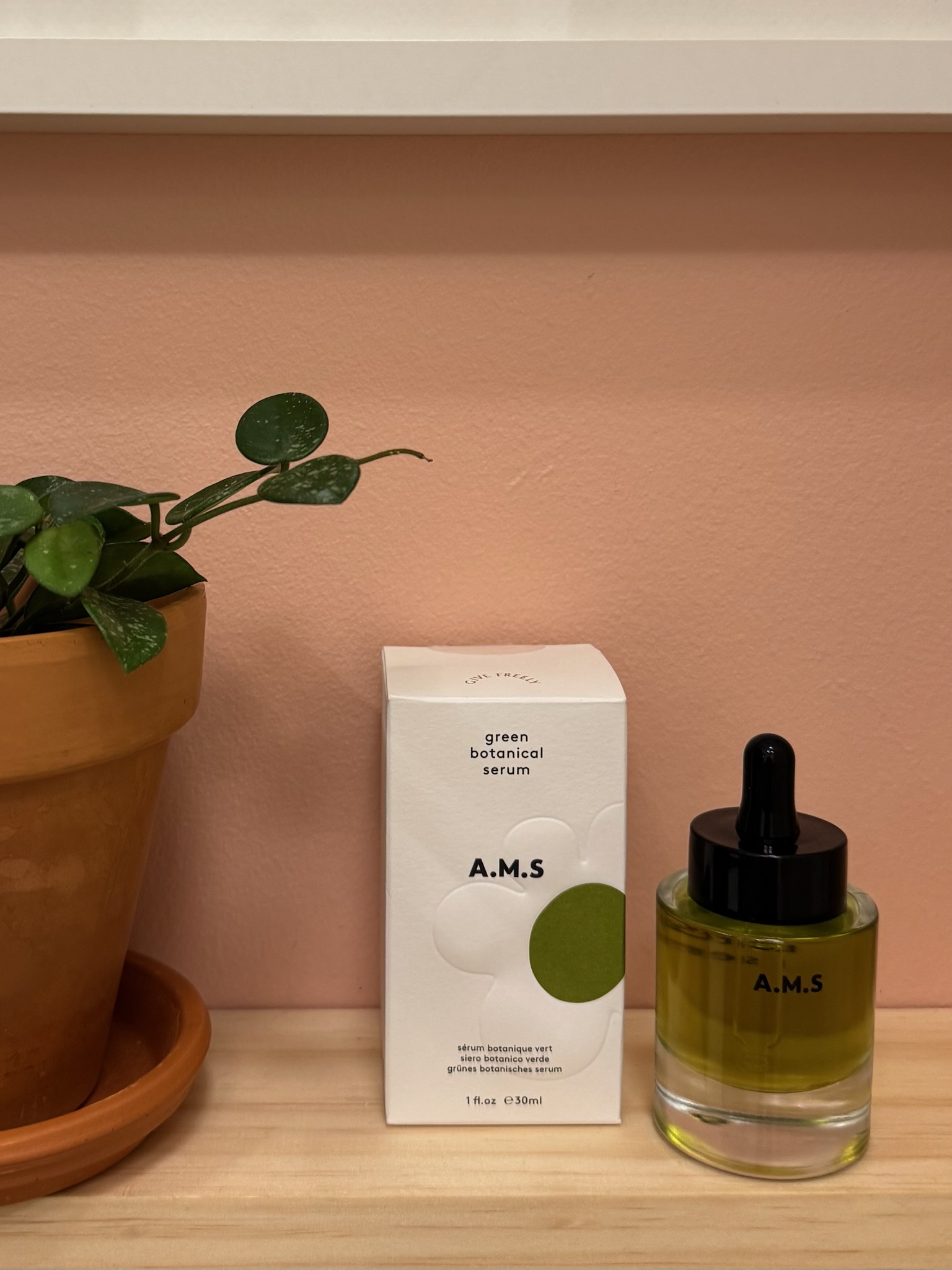
Our all-natural sugaring services remove hair using a sugar paste and each appointment has several steps; the pre-cleanse, followed by the application and removal of the sugar paste, thus extracting unwanted hair, and the aftercare phase. Manuka honey belongs to the conversation about care afterward. If you’ve heard people describe the service as sugar waxing, that does not mean honey is the ingredient doing the hair removal. True sugaring utilizes a sugar paste and at Green City Beauty, we use a high-quality manuka honey serum to soothe and protect freshly sugared skin.
The reason I talk about aftercare is simple: your appointment should consider the skin as well as the hair. I personally train every Green City Beauty esthetician, and I want our clients to understand the choices behind their care.
A natural ingredient still needs to suit you
Tell us before your service if you have an allergy to honey or other bee products, a history of reactions or an active skin concern. Natural does not mean suitable for everyone. If you are dealing with a wound, persistent rash or another medical concern, speak with a qualified health professional rather than relying on cosmetic aftercare.
Our aim is to make the ingredient conversation useful and approachable. Manuka honey gives us an opportunity to discuss potential benefits while keeping your own skin and comfort at the center of the appointment.
Common questions
Is Manuka honey part of the sugaring paste?
At Green City Beauty, Manuka honey is used in post-sugaring care. It is separate from our sugar, water and lemon sugaring paste.
Does it guarantee less irritation after sugaring?
No. Research into Manuka honey is interesting, but the studies discussed here do not establish that outcome for a sugaring appointment. Results and suitability vary, but our use of Manuka honey has quickly become a client favorite in the studio!
Curious about skin-first sugaring in Cherry Hill, NJ? Explore Green City Beauty’s studio page or ask us about the care that accompanies your service.


